
Flipgrid 2026 – Guide For Students & Educators
Flipgrid, which was officially rebranded as Flip and was fully retired by Microsoft on September 30, 2024, was an interactive video discussion platform designed to connect students, teachers, and communities through short video responses. It was originally created at the University of Minnesota and later acquired by Microsoft and transitioned as Microsoft Teams for Education, the app has become a popular tool in classrooms and professional learning spaces around the world. This 2026 updated guide covers everything from the new integration to the best alternatives for modern digital classrooms.

Important Notice: We are an independent site. My Flipgrid is not affiliated with, endorsed by, or officially connected to Microsoft Corporation or the official Flip platform.
What is Flipgrid?
Flipgrid, which is now a core part of the Microsoft Teams ecosystem, is a video based learning platform that brings discussions to life in classrooms and online spaces. It was a modern discussion board that allowed teachers to post topics and students to respond through short videos and clips. For students, it creates a space where they can express ideas in their own voice, build confidence, and connect with classmates. Teachers, on the other hand, use it to encourage participation and make lessons more engaging both in the classroom and online. It was easy to use and helps students connect, which is why it’s such a popular tool in today’s classrooms.
What Happened to Flipgrid?
In October 2024, Microsoft moved the Flip experience directly into Microsoft Teams.
- The Good News: You no longer need a separate login or app. It is now 100% free and integrated into your school’s workflow.
- The Change: Standalone “Grids” and “Topics” are now replaced by Teams Video Assignments.
- Legacy Data: Microsoft provided a window until September 30, 2024, to download old videos. Today, users must use the integrated Teams interface for all new recordings.
Key Features of Flipgrid
The Flipgrid app provides a wide range of features that make it useful for both teachers and learners:
Grids
Grids are the backbone of Flipgrid. Think of them as virtual classrooms or groups where teachers can organize students, manage discussions, and control who has access. Each grid can represent a class, a project team, or even a cross-school collaboration, making it easy to keep conversations structured and focused.
Flip Shorts
Shorts are Flipgrid’s answer to quick, creative video responses. Students can record brief videos enhanced with stickers, filters, drawing tools, or annotations. This feature allows students to express themselves visually, add personality to their answers, and engage with content in a fun, interactive way.
Interactive Discussions
One of the best things about it was that it organizes content into “grids,” which function as online classrooms or group spaces. Teachers can post discussion topics, and students respond with their own videos, encouraging interactive learning.
Multi Device Access
Available on desktop, mobile, and web, it was accessible anywhere. Teachers could also set up student access using a simple Username or a school email domain check.
Integration with Other Tools
It integrated smoothly with Microsoft Teams, Google Classroom, and Canvas, making it easy to assign topics and collect student responses within existing systems.
Topics
Topics are the prompts or questions that students respond to. Teachers can create their own, or use Topic Copilot, a helpful tool that suggests ideas based on the lesson or subject. Topics guide students’ discussions, spark creativity, and ensure everyone stays on track while exploring the lesson objectives.
Guest Mode
Guest Mode allows teachers to invite external participants, like parents, guest speakers, or other educators, to join the conversation. It’s perfect for bringing new perspectives into the classroom or creating opportunities for collaboration beyond school walls.
Video Moderation
Flipgrid puts safety first with video moderation. Teachers can review and approve student submissions before they’re shared, ensuring that discussions remain respectful and appropriate. This workflow helps maintain privacy and gives educators control over the classroom environment.
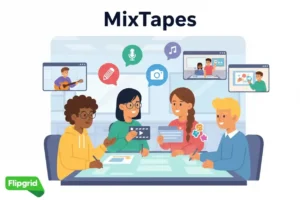
MixTapes
MixTapes let teachers compile student videos into curated collections. These are perfect for showcasing highlights, assessing student progress, or reflecting on completed projects. MixTapes make it easy to review responses and celebrate student achievements in one organized space.
Flip vs. Teams Feature Comparison
| Feature | Original Flipgrid App | 2026 Microsoft Teams |
|---|---|---|
| Access | Flipgrid.com / Mobile App | Microsoft Teams “Assignments” Tab |
| Cost | Free | Free (with Microsoft 365 Education) |
| Video Length | Up to 10 Minutes | Up to 5 Minutes (per assignment) |
| Creative Tools | Stickers, Filters, Boards | Flip Camera (Stickers & Music included) |
| Security | Flip Code | School-level Enterprise Security |
How to Use Flipgrid in 2026: Step-by-Step
Here is how teachers and students can use the Flip Camera features today:
Flipgrid for Educator: Creating Assignment
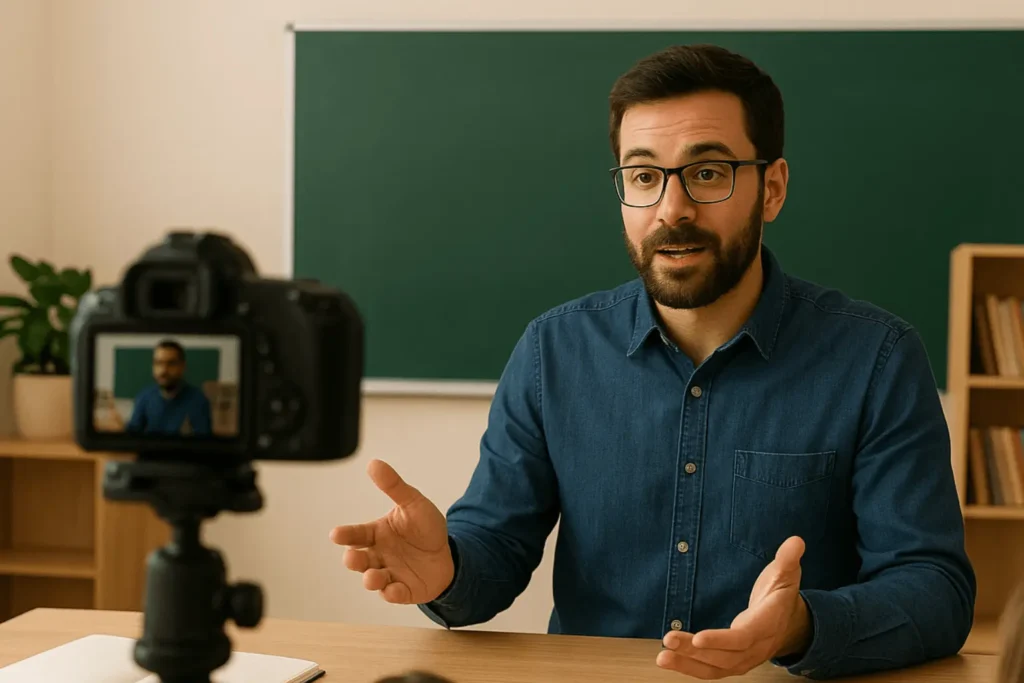
Teachers can now create video-based tasks without ever leaving the Teams interface. This ensures student data stays within the school’s secure environment.
- Open Microsoft Teams: Navigate to your specific Class Team.
- Create Assignment: Click on the Assignments tab and select Create > New Assignment.
- Add Flip Camera: Under the instructions box, click the +New button and select Video Recording.
- Set Parameters: Record your prompt using the familiar Flip interface and assign it to your students.

Flipgrid for Students: Responding to Topics
Students can respond to their teachers tasks by using any device with a camera. The process is integrated into their daily “My Work” flow.
- Open Task: Find the assignment your teacher posted and open it.
- Open Camera: Click +New under the “My Work” section and pick Flip video recording.
- Record Your Best Shot: Use the built-in filters or the whiteboard to explain your answer.
- Turn It In: Once you’re happy with your video, hit Upload and then click the big Turn In button at the top right so your teacher can watch and grade your assignment.
Pro Tip: By default, Teams makes these videos private between the teacher and the student. If you want students to see each other’s videos (like the old Flipgrid “Grid” style), make sure to toggle “Allow students to view each other’s work” in the assignment settings before you post it.
How Flipgrid Login Works?
Logging in to Flipgrid was a simple and secure process. Just follow the given steps;
- Visit Microsoft Teams app on your desktop or mobile.
- Select Sign in using a Microsoft or Google account.
- Students no longer need a manual Join Code. This makes the login process much faster and more secure.
- Once signed in, users can access their grids, create videos, and participate in discussions.
There are separate options for student login and educator login, ensuring that the right tools are available for each type of user.

Benefits of Using Flipgrid
Flipgrid isn’t just a video tool, it changes the way teachers and students interact. Here’s why it’s so useful:
Flipgrid in the Classroom
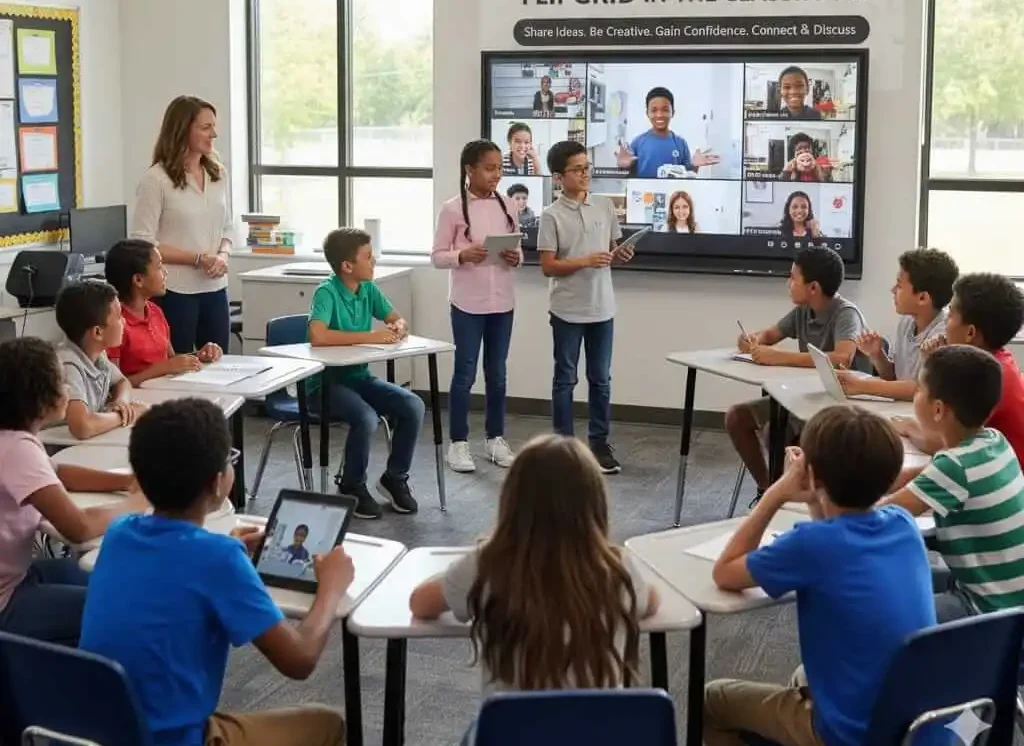
At that time, it completely changed the way students and teachers connected in the classroom. Before this, learning mostly depended on reading and writing, making it feel a bit like a simple heads or tails situation with limited choices. However, teachers could now assign engaging video projects that allowed students to express their ideas in their own style. Because of this, learning became more interactive and enjoyable. As a result, students were able to reflect on what they had learned and share it in a more personal and meaningful way.
Most importantly, it helps students gain confidence by giving them space to be creative and express themselves. Since everyone can watch, reply, and join the discussions, it brings students closer together, whether they’re in the classroom or learning from home.
Step-by-Step Guide to Using Flipgrid
Getting started with Flipgrid is simple, and once you know the steps, it’s easy for both teachers and students to use the platform effectively. Here’s a practical guide:
1. Signing Up
Teachers can create a Flipgrid account to set up classes or grids. Students can join using a unique grid code provided by their teacher, making access quick and secure. The platform works seamlessly on web browsers and mobile devices.
2. Creating a Topic
Teachers post topics, which are prompts or questions for students to respond to. Topics can be customized with instructions, deadlines, or multimedia support. Tools like Topic Copilot can help generate ideas or enhance prompts.
3. Recording and Submitting Videos
Students can record their video responses directly within Flipgrid. They have the option to trim clips, add effects, or re-record until they’re satisfied. Once ready, videos are submitted to the grid for teacher and peer review.
4. Interacting with Peers
Students can watch classmates’ videos and leave video or text comments, fostering collaboration and discussion. Teachers can guide conversations, highlight exemplary responses, and encourage engagement.
5. Using Creative Tools
Flipgrid offers a variety of tools to make responses more engaging:
- Stickers & filters to add fun elements
- Drawing tools for annotations or visual explanations
- Text overlays to emphasize key points
These tools allow students to express ideas creatively while staying on-topic.
6. Viewing MixTapes
Teachers can compile student videos into MixTapes, which serve as curated collections for assessment, reflection, or sharing highlights with the class. This feature makes reviewing multiple responses efficient and enjoyable. Additionally, some educators explore platforms like happymod to discover useful apps and tools that can further enhance classroom engagement and digital learning experiences.
Pros and Cons of Flipgrid
Here’s a quick look at the pros and cons of Flipgrid app:
| Pros | Cons |
|---|---|
| Easy to use: Students could have recorded short videos quickly with a simple interface. | Requires good internet: Slow connections affected recording and uploading. |
| Great for engagement: Encourages shy students to participate through fun and creative video responses. | Privacy concerns: Some schools may worry about student videos being stored online. |
| Free and accessible: Worked on all devices, phones, tablets, and computers. | Data Loss upon retirement. |
Tips & Best Practices
To get the most out of Flipgrid, it’s not just about posting videos, it’s about using the platform strategically to enhance learning and engagement. Here are some practical tips for teachers:
Troubleshooting Common Issues
Following are some of the most common issues faced by users:
- Camera Not Loading? Ensure your browser (Chrome or Edge) has permission to access the camera in the Teams settings.
- Audio Lag? Close background apps. The Flip camera in Teams requires at least 4GB of RAM for a smooth experience.
- Missing Features? Note that Mixtapes and AR Book Reviews are currently not available in the Teams version. Use Microsoft Stream to curate video collections instead.
Flipgrid Alternatives
While Flip grid remains a widely used tool, some users search for alternatives, especially after its rebranding as Flip. Popular options include:
Padlet
Padlet is an online collaboration tool where people can share notes, images, links, and ideas on a digital board. It’s easy to use and works great for classrooms, teamwork, and creative projects. With real-time updates, everyone can contribute instantly from any device.
Edmodo
Edmodo is often compared to Facebook, but it’s designed strictly for education. It functions as a social learning network where teachers, students, and even parents can connect.
Seesaw
Seesaw is an excellent option for elementary and middle school classrooms. Its design focuses on younger learners who may not be as comfortable with complex tech tools.
Google Classroom
For schools already using Google Workspace, Google Classroom offers a smooth alternative to Flipgrid.
See Also: How to Use Flipgrid? and What Is a Flipgrid Video?
Conclusion
Flipgrid was a simple and easy-to-use video discussion app that has changed the way teachers and students connect in classrooms. With its friendly design, it lets teachers create topics or questions and students respond through short video clips that the whole class can watch and comment on. This makes lessons more interactive and helps students reflect on what they’ve learned in class. The app worked smoothly on the Flipgrid website, mobile app, and even inside platforms like Google Classroom and Microsoft Teams, making it easy to fit into any learning setup. Flip became free for all educators after the Microsoft acquisition in 2018. Before retirement, the “paid version” structure was replaced by a single, comprehensive free model. Whether used in person, remotely, or in hybrid classrooms, Flipgrid continues to be a trusted and engaging tool that brings learning to life.